
The Loomis Method: The Foundations I Use for Portrait Sketching

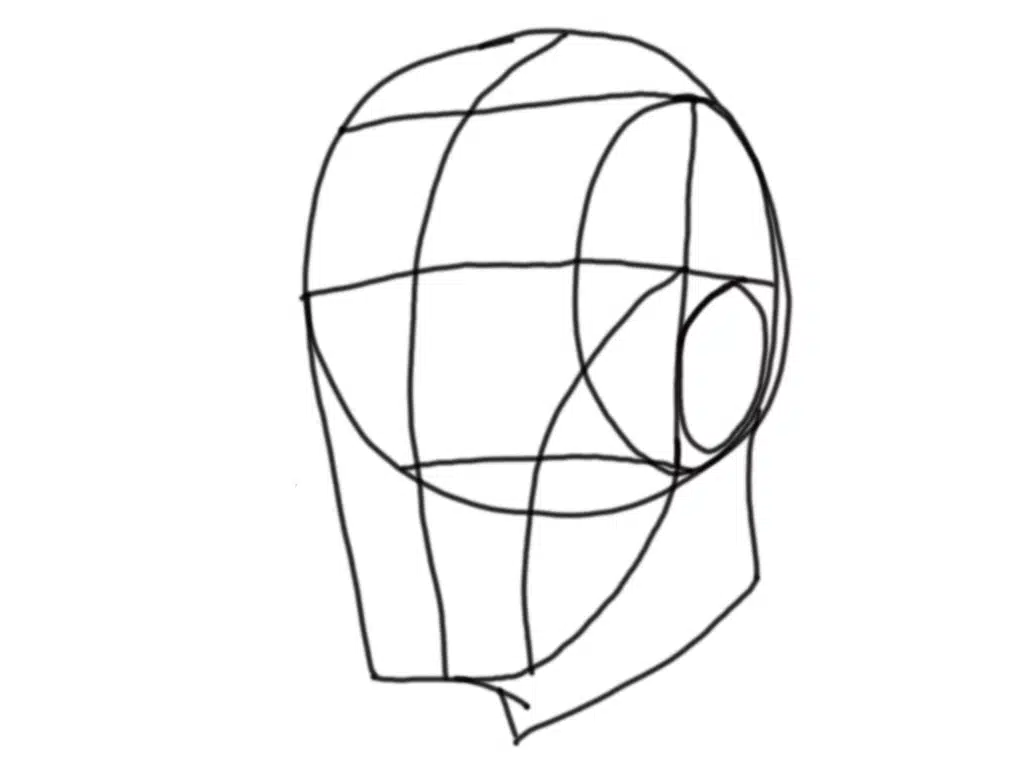
Introduction to the Loomis Method
The journey of sketching a portrait often begins with establishing a solid foundation. As in one building a house that sits on a firm foundation. The Loomis method, named after the famous illustrator and educator Andrew Loomis, provides artists with a reliable foundation to approach the difficulties of drawing the human head. By breaking the head down into simple geometric shapes, the method allows both beginners and experienced artists to find structure and confidence in their work with ease and a memorable approach.
The Legacy of Andrew Loomis
But first, who is Andrew Loomis, the creator of this most famous method that’s used still today. As I did my research of Andrew the first thing that strikes me is when he died. Which when I look up someone famous seems like it’s the first thing I do, funny enough. Andrew died six years before I was born in 1959 at the age of 66. Wow! I was so close to be born. He was born in New York but grew up in Ohio and then his professional life was mostly in Illinois, once again I’m born and raised in Illinois. His studies were at the Art Institute of Chicago and Art Students League of New York. So that was some fun facts to learn about him.