
Mastering Human Head Sketching: The Loomis Method

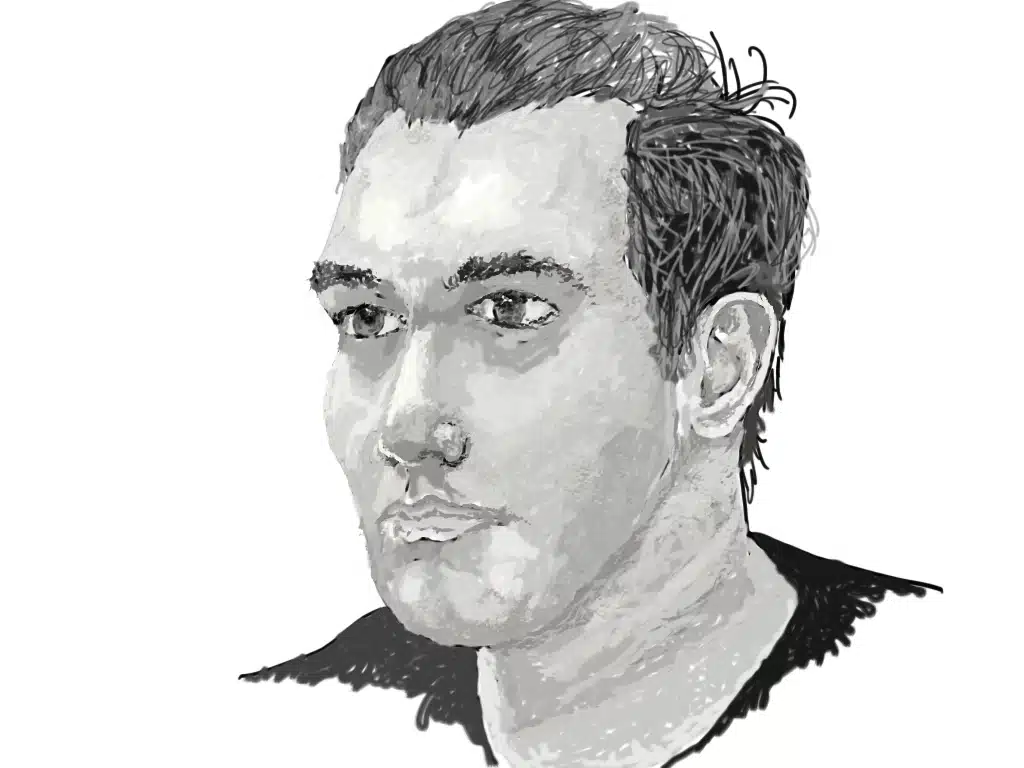
Introduction
If you plan to be, or are a portrait artist, cartoonist or caricature artist, or any other artist that dwells with humans (which has a human head on them) in their masterpieces, you need to at least know the fundamental structure of the human head (and possibly the human body). It serves greatly in your skills of the human anatomy, expression and emotion. And a fundamental start in your journey is understanding the Andrew Loomis method, especially if you are a new or beginner artist. My very first blog in this series is a good source of the Loomis method, which you can find here.
It is important to understand the head, it’s complex features in developing good storytelling, good expressions and good emotion. It will take practice, but with it comes likenesses, which will convey personality of your subject and develop believable character in various forms; be it portraiture, illustration and even animation. That’s why with practice; you will develop skills and lock in a mental library of head proportions and features that enrich artists to build strong foundations in their lifelong journey. The Loomis method is a good starting point and how I started years ago.
Andrew Loomis (1892-1959)
Andrew was an American illustrator, writer and art instructor. He is best known for his instructional writings in the world of art, and who developed what we know as the Loomis method in 1940, which is still widely used as a foundation by many artists today.
Overview of the Loomis Method
- Basic shapes Like in my previous blogs, I showed you how we develop feature like the eye, nose, mouth and ear (as well as the head itself as in my very first blog) into simple shapes and making a solid foundation to practice with and strengthen our mental library.
- Proportions With the Loomis method blog I showed the Rule of Thirds of the head and placement of the facial features, so we have a balanced and realistic illustration.
- Planes of the Face The Loomis method helps us in understanding the various planes of the head ensuring a more lifelike and three-dimensional art piece. Which will help us in refining the sketch when we use light and shadow in developing that likeness.
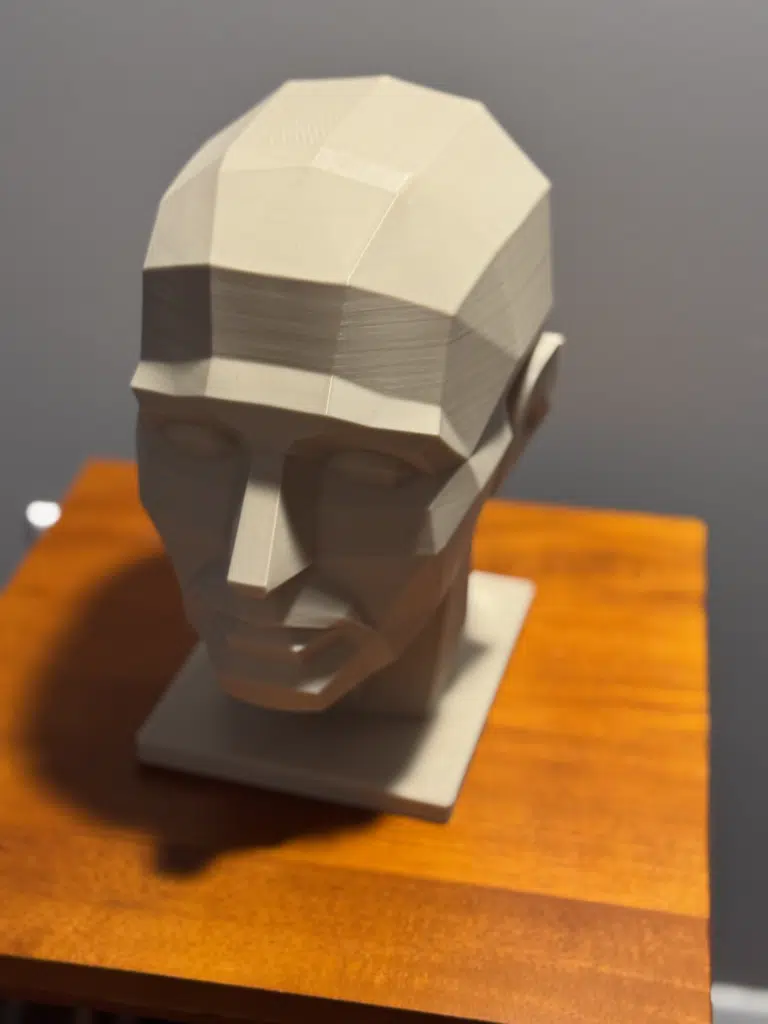
- Constructive Drawing As we think and observe our subject, the Loomis method encourages us to think constructively in what we are doing and placing on the head.
So, with knowing and practicing the core of the Loomis method, we can sketch with confidence and accuracy the beauty of the head. And the Loomis method serves as a good starting point in our construction. Are you ready to start using what we learned in the previous blogs and putting together a human head?